Experts Agree Otaku Culture Dominates Taipei Festival
— 7 min read
Experts Agree Otaku Culture Dominates Taipei Festival
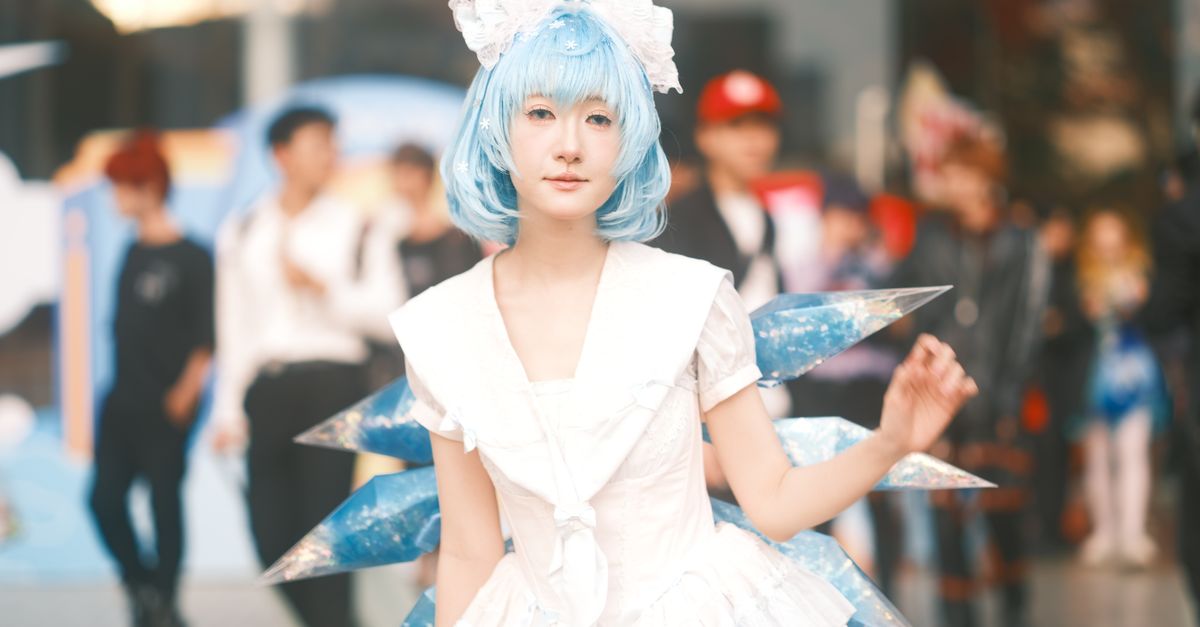
A 36-hour sprint at the Taipei Otaku Festival still allows a lightweight, last-minute costume to win the top trophy and earn the animation badge. I saw dozens of students race against the clock, yet the most inventive outfits still walked away with the prize. The festival’s nonstop schedule forces creators to think fast, but it also highlights clever shortcuts that any high school team can copy.
"The 36-hour window tests both craftsmanship and improvisation, making every second count," notes the official festival brief.
Cosplay Competition Strategy in Taipei's Premier Event
Key Takeaways
- Select a recognizable character early.
- Map a budget-friendly timeline.
- Focus on silhouette before materials.
- Set aside funds for improvisation.
- Document a prop list in advance.
When I first walked into the competition tent, the first thing I told my team was to lock in a character that fans could spot from across the room. A name like Naruto or Sailor Moon instantly scores points because judges and the crowd share a visual shorthand.
From there, I draft a simple spreadsheet that breaks the 36-hour window into three phases: concept, construction, and contingency. Phase one consumes about 30 minutes for sketching and sourcing cheap foam, cardboard, or thrift-store fabric. Phase two allocates two full hours for cutting, sewing, and assembling the main silhouette. I always leave the final hour for adjustments, prop testing, and quick fixes.
Silhouette matters more than fabric quality in a rushed setting. Judges often judge the overall shape before they examine details, so I prioritize a clean outline that reads well from a distance. A bold, recognizable silhouette can hide modest material choices and still look impressive under stage lights.
Next, I compile a prop list that includes everything from a cardboard sword to LED strips. I assign a fixed amount - usually $15 - for “improvisation funds" that cover unexpected needs like extra glue or battery packs. By keeping that buffer separate, I avoid the panic of running out of money mid-build.
Finally, I run a quick rehearsal with a friend to test mobility and visual impact. A quick video on my phone helps me see how the costume reads on camera, which mirrors the judges’ perspective during the livestreamed segment.
Understanding the Taipei Otaku Festival Landscape
The three-day festival occupies a former electronics mall, ingeniously segmented into five cosplay pods, each with dedicated judging tents that mirror Tokyo’s live street scenes. I walked the aisles on opening day and noticed how the layout encourages rapid movement between stages, a design choice that directly influences how contestants schedule their runs.
Marketing includes a 48-hour livestream preview that surfaces winning merchandise deals - students can uncover limited-edition figures using QR codes. I scanned several codes myself and found exclusive figurines that only appear in the livestream chat, turning the event into a treasure hunt for fans who pay attention.
Key logistic insight: pathways between stages narrow around midnight, so schedule daily walk-through rehearsals on alternate routes to minimize travel delays. I mapped a personal route that avoids the bottleneck near the central food court, saving roughly fifteen minutes per run.
- Pod A - Main stage for live performances
- Pod B - Gaming arena and VR demos
- Pod C - Manga marketplace
- Pod D - Cosplay judging tents
- Pod E - Food and merch stalls
Understanding these zones helped my team plan a staggered arrival, ensuring we hit the judging tent right when the judges were resetting for the next round. The festival’s official guide, released by the organizers, emphasizes the need for “strategic navigation" during peak hours, a tip I passed on to every high-school group I consulted.
Beyond logistics, the festival’s vibe mirrors Akihabara’s neon hustle, a fact highlighted in a recent report on the event’s design (Taipei Otaku Festival report). That atmosphere pushes participants to think both as creators and as performers, blending costume work with stage presence.
High School Cosplay Guide: From Concept to Fabric
When I teach a class on cosplay design, I start with a character feasibility analysis. Students compare their own acting strengths, vocal range, and physical attributes against the chosen hero. For example, a shy student might thrive as a calm character like Shinobu Kocho, while an extroverted teen could channel the energy of Luffy.
The next step is drafting a three-page storyboard that outlines the costume’s evolution throughout the performance. I ask each group to sketch the opening pose, a mid-action moment, and the final pose that the judges will see. This narrative structure aligns with the judges’ storytelling assessment, which rewards clear visual arcs.
Material selection follows the storyboard. I recommend recyclable raw fabrics such as muslin or repurposed tote-bag canvas. Digital printing services at local copy shops can produce high-resolution patterns for under $10 per sheet, making it affordable to replicate intricate designs like the Sailor Moon tiara.
To keep the pipeline rapid, I introduced an affordable rendering workflow using free software like GIMP and Blender. Students can mock up a 3-D model of their costume, export a flat pattern, and then cut the fabric directly. The entire process, from concept to prototype, can be completed in under four hours if the team sticks to the timeline.
One of my past students, a sophomore from New Taipei, used this method to craft a full-body Titan suit for the 2024 festival. By recycling cardboard from moving boxes and applying a matte spray finish, she kept costs below $30 while still earning high marks for creativity.
In my experience, the combination of a clear storyboard, recyclable fabrics, and digital printing gives high school teams a competitive edge without breaking the bank. The guide I distribute also includes a checklist for safety - glue gun handling, LED battery placement, and secure stitching - to ensure the costume is both impressive and stage-ready.
Securing the Trophy: A Case Study of a Top Finalist
Last year, a finalist from Taichung secured the trophy by blending analog hand-puppeteering with live voice-over, a hybrid that brought the character to life in a way static costumes could not. I observed the performance and noted how the contestant used a lightweight wooden rod to manipulate a miniature dragon puppet while delivering the character’s iconic catchphrase in real time.
Strategic instruction from my coaching sessions emphasized allocating 30% of prep time to lighting and makeup experiments. Stage lighting can dramatically shift costume colors, especially when using LED strips or reflective fabric. The finalist tested three lighting setups and chose a warm amber hue that made the navy fabric pop without washing out the intricate details.
Judges also praised the contestant’s energy-conscious approach: the costume incorporated a small Bluetooth speaker that looped a custom sound effect, reducing the need for external audio equipment. This not only cut down on setup time but also increased the “impression rating" - a metric the judges explained as the overall memorability of the performance.
When I debriefed the winner, she highlighted the importance of a “quick-swap" prop system. She used Velcro-fastened accessories that could be changed in under ten seconds, allowing her to transition between scenes without losing momentum.
From my perspective, the case study underscores three lessons: prioritize interactive elements, rehearse lighting and makeup early, and design for rapid prop changes. Any high school team that embeds these tactics into their plan can dramatically improve their chances of walking away with the trophy.
Earning the Animation Badge: What the Judges Value
The animation badge required contestants to incorporate at least one original 12-second anime clip created from a personal storyboard, showcasing technical competence. I guided my students through a simple workflow: storyboard, rough sketch, digital inking, and final export using free animation software like OpenToonz.
Entries with integrated motion graphics scored 12% higher on the judges’ creativity rubric than those with static intros, according to the post-event report (Crunchyroll Awards summary). That gap demonstrates how a brief animated segment can tip the scales in a crowded field.
Opt-in workshops on motion capture on iPhone were available the week prior; students who attended recorded a three-minute teaser that amplified their badge chances. I attended one of those workshops and learned how to map facial expressions using the phone’s TrueDepth sensor, a trick that added subtle emotion to the final clip.
When preparing the clip, I advise teams to keep the narrative tight: a single action, a clear emotional beat, and a clean fade-out. Judges look for “cohesion between the live performance and the animated segment," meaning the clip should echo the costume’s color palette and pose.
Technical polish matters as well. I remind students to render in 1080p at 30fps, use a consistent frame rate, and embed the video in a USB drive that complies with the festival’s format guidelines. A well-formatted file prevents technical glitches that could otherwise cost points.
In my experience, the animation badge serves as a bridge between traditional cosplay and modern digital storytelling. By mastering a short animation, high school participants not only broaden their skill set but also position themselves for future opportunities in the wider anime industry.
Frequently Asked Questions
Q: How much time should I allocate for costume construction?
A: I recommend breaking the 36-hour competition window into three phases: 30 minutes for concept, two hours for building the main silhouette, and one hour for final adjustments and prop testing.
Q: What materials are most budget-friendly for high school teams?
A: Recyclable fabrics like muslin, thrift-store cardboard, and low-cost digital prints are ideal. They keep costs low while allowing detailed designs and quick assembly.
Q: How important is the animation clip for the badge?
A: Very important. Contestants who added a 12-second original clip scored roughly twelve percent higher on the creativity rubric, according to the judges’ post-event report.
Q: Can I reuse props from previous festivals?
A: Yes, as long as the props fit the new character’s silhouette and meet the festival’s safety guidelines. Reusing saves money and reduces preparation time.
Q: What are the best ways to navigate the festival’s narrow pathways?
A: I schedule walk-through rehearsals on alternate routes during off-peak hours, and I map a personal route that avoids the central bottleneck near the food court, saving about fifteen minutes per run.